
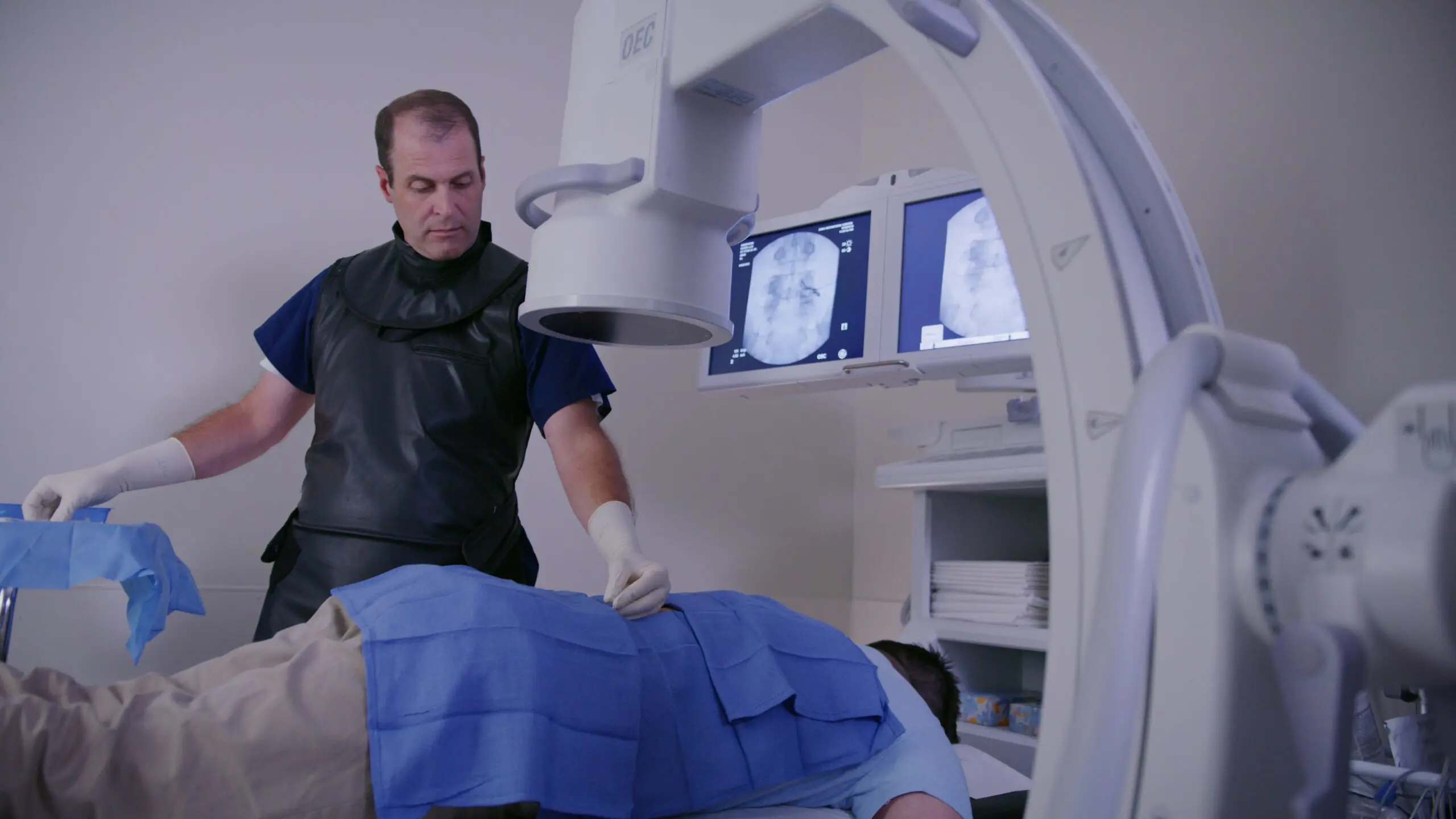
Living with pain, whether it’s back pain, neck pain, joint pain, or nerve-related discomfort, can take a serious toll on your daily life. If physical therapy, medications, or rest haven’t provided lasting relief, you may be wondering what your next step should be.
That’s where interventional pain specialists come in.
Many patients don’t realize that interventional pain management offers advanced, non-surgical treatments designed to pinpoint the source of pain and relieve it with precision. So how do you know when it’s time to see one?
What Is an Interventional Pain Specialist?
An interventional pain specialist is a physician trained to diagnose and treat pain using minimally invasive, image-guided procedures rather than surgery or long-term medication use.
These specialists focus on treating the source of pain, not just the symptoms, and often work closely with orthopedic surgeons, physical therapists, and primary care providers as part of a comprehensive care team.
Common treatments include:
- Epidural steroid injections
- Joint injections (knee, hip, shoulder, SI joint)
- Nerve blocks
- Radiofrequency ablation
- Spinal injections for neck and back pain
Signs It May Be Time to See an Interventional Pain Specialist
1. Your Pain Has Lasted Longer Than 3 Months
Pain that persists beyond the expected healing time is considered chronic pain. If discomfort has lasted several months or continues to return, it may require more targeted treatment.
2. Conservative Treatments Haven’t Worked
If you’ve already tried:
- Physical therapy
- Anti-inflammatory medications
- Activity modification
- Rest or ice/heat
…and still haven’t found relief, interventional pain treatments may be the next step.
3. Pain Is Limiting Your Daily Activities
If pain is preventing you from:
- Working comfortably
- Sleeping through the night
- Exercising or staying active
- Enjoying hobbies or family time
…it’s a sign your pain deserves specialized attention.
4. You Want to Avoid Surgery (or Delay It)
Interventional pain management is often used as a non-surgical alternative or as a way to delay surgery while still improving quality of life. Many patients experience meaningful relief without ever needing an operation.
5. You’re Looking for Pain Relief Without Relying on Opioids
Modern interventional pain care focuses on reducing dependence on opioid medications. Image-guided injections and nerve-targeting procedures can significantly reduce pain while avoiding long-term medication use.
Conditions Commonly Treated by Interventional Pain Specialists
Interventional pain specialists frequently treat:
- Chronic back pain
- Neck pain
- Arthritis-related joint pain
- Sciatica and nerve pain
- SI joint dysfunction
- Spinal stenosis
- Post-surgical pain
- Work-related or overuse injuries
What to Expect at Your First Interventional Pain Appointment
Your first visit typically includes:
- A detailed review of your medical history
- Imaging review (X-rays, MRI, CT scans if available)
- A physical exam focused on identifying pain generators
- Discussion of personalized treatment options
From there, your provider may recommend a diagnostic injection or targeted treatment plan designed specifically for your condition and goals.
How Interventional Pain Fits Into a Team-Based Care Approach
Interventional pain specialists often work alongside orthopedic surgeons, sports medicine providers, and physical therapists. This collaborative approach ensures patients receive the right treatment at the right time, whether that’s pain relief, rehab, or surgery, only when necessary.
When to Take the Next Step
If pain is interfering with your life and conservative care hasn’t helped, an interventional pain specialist can help you move forward, often without surgery.
You don’t have to live with ongoing pain.
If you’re experiencing persistent pain and want to explore non-surgical treatment options, schedule a consultation with an interventional pain specialist to learn what personalized options may be right for you.
Frequently Asked Questions
Do I need a referral to see an interventional pain specialist?
Referral requirements vary by insurance, but many patients can self-refer. Our team can help determine what’s needed for your specific plan.
Are interventional pain treatments safe?
Yes. These procedures are minimally invasive and performed using image guidance to maximize precision and safety.
How long does pain relief last?
Relief varies by condition and treatment, but many patients experience weeks to months of improvement, and some achieve long-term relief.
Will I still need physical therapy?
In many cases, pain relief from injections allows patients to better participate in physical therapy, improving overall outcomes.