
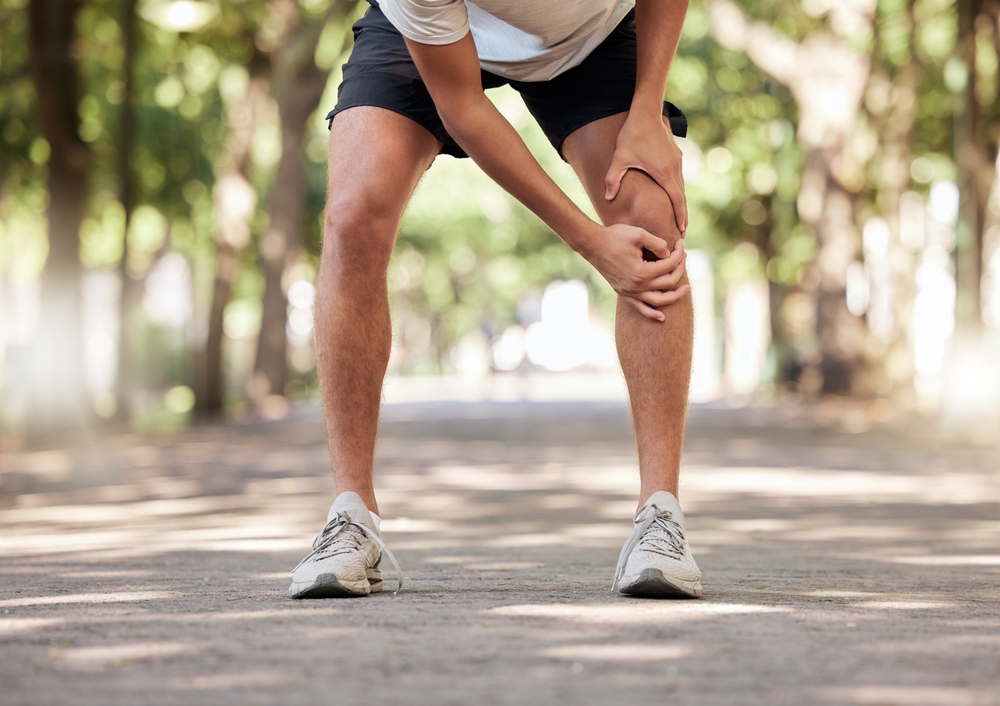
If your knee hurts when you squat, bend down, climb stairs, or stand up from a chair, you’re not alone. These everyday movements put significant demands on the knee joint, and pain during them can have several possible causes.
Sometimes, knee pain is related to overuse or muscle weakness. In other cases, it may be a sign of an underlying condition involving the cartilage, kneecap, meniscus, tendons, or joint itself.
Understanding where your pain occurs, when it happens, and what other symptoms you experience can provide helpful clues about what may be causing it.
Why Do Squatting and Stairs Cause Knee Pain?
Your knee is a complex joint that allows you to walk, run, sit, stand, squat, and climb stairs. When you bend your knee deeply or put additional weight through it, the joint experiences increased forces.
If something within or around the knee is irritated, damaged, inflamed, or not functioning properly, these movements may cause pain.
Common causes of knee pain when squatting or using stairs include:
- Patellofemoral pain syndrome
- Knee arthritis
- Meniscus injuries
- Tendon irritation
- Muscle weakness or imbalance
- Previous knee injuries
- Overuse
- Cartilage damage
The location and type of pain can sometimes provide additional clues.
Pain in the Front of the Knee
Pain toward the front of the knee or directly around the kneecap is often associated with problems involving the patellofemoral joint.
You may notice pain when:
- Squatting
- Climbing or descending stairs
- Running or jumping
- Sitting for long periods with your knees bent
- Standing up after sitting
Patellofemoral pain can have several contributing factors, including changes in activity, muscle weakness, or problems with how the kneecap moves within the joint.
Physical therapy may be recommended to improve strength, mobility, and movement patterns.
Knee Pain When Going Up or Down Stairs
Stairs can be particularly uncomfortable because they require the knee to support and control your body weight while the joint is bent.
If you notice pain primarily when using stairs, it may be related to the kneecap, arthritis, tendon irritation, muscle weakness, or another condition affecting the knee.
Pay attention to whether the pain occurs going up, going down, or both. Your orthopedic provider can use this information, along with a physical examination and your medical history, to help determine the cause.
Knee Pain When Squatting
Squatting requires your knee to bend while supporting your body weight. If you experience pain during a squat, think about where the pain occurs.
Pain in the front of the knee
Pain around or behind the kneecap may be associated with patellofemoral problems, irritation, or muscle imbalances.
Pain on the inside or outside of the knee
Pain along the joint line may be associated with structures such as the meniscus or ligaments, although location alone cannot determine the exact cause.
Pain with swelling, catching, or locking
If knee pain is accompanied by swelling, catching, locking, or a sensation that the knee is giving way, an injury or internal joint problem may need to be evaluated.
Could Arthritis Be Causing Your Knee Pain?
Arthritis is another common cause of knee pain, particularly as people get older.
Knee arthritis can cause:
- Pain during or after activity
- Stiffness
- Swelling
- Grinding, popping, or clicking
- Reduced range of motion
- Difficulty climbing stairs
- Pain when standing up from a chair
Arthritis symptoms often develop gradually. You may initially notice discomfort only during certain activities, such as squatting, exercising, or climbing stairs, before symptoms become more noticeable during everyday activities.
An orthopedic evaluation can help determine whether arthritis is contributing to your symptoms and what treatment options may be appropriate.
Could a Meniscus Injury Cause Pain When Bending Your Knee?
The meniscus is a piece of cartilage that helps cushion and stabilize the knee. A meniscus tear can occur from a twisting injury, but tears can also develop gradually over time.
Depending on the injury, symptoms may include:
- Pain along the joint line
- Swelling
- Difficulty bending or straightening the knee
- Catching or locking
- A feeling that the knee is unstable
If your knee pain started after a twisting injury or is accompanied by catching or locking, an orthopedic evaluation may be helpful.
What About Tendon or Muscle Problems?
The muscles and tendons surrounding the knee help stabilize the joint and control movement.
Overuse, changes in activity, or repetitive stress can irritate these structures and cause pain during activities such as squatting, running, jumping, or climbing stairs.
Weakness in the quadriceps, hips, or core can also affect how your knee moves and may contribute to discomfort during certain activities.
Physical therapy can be an important part of treatment for many causes of knee pain. A physical therapist can evaluate your movement, strength, flexibility, and mechanics and develop an individualized exercise program.
Should You Stop Squatting or Using Stairs?
If a particular activity consistently causes pain, don’t try to push through worsening symptoms.
You may be able to temporarily modify the activity by:
- Reducing the depth of your squat
- Decreasing the amount of weight you are using
- Taking a break from high-impact activities
- Using proper movement mechanics
- Gradually returning to activity as symptoms improve
However, activity modification alone may not address the underlying cause of persistent knee pain.
If your symptoms continue or interfere with your daily activities, it’s worth having your knee evaluated.
When Should You See an Orthopedic Specialist for Knee Pain?
Occasional soreness after an unusually demanding workout or activity may improve with rest. However, persistent or recurring pain deserves attention.
Consider scheduling an orthopedic evaluation if you experience:
- Knee pain that continues for more than a few days or keeps returning
- Swelling that does not improve
- Difficulty fully bending or straightening your knee
- Pain that interferes with walking, work, exercise, or daily activities
- Catching or locking
- A feeling that your knee is giving out
- Significant pain following an injury
- Increasing stiffness or loss of mobility
An orthopedic specialist can evaluate your symptoms and determine whether additional testing, such as X-rays or an MRI, is appropriate.
How Is Knee Pain Treated?
Treatment depends on what’s causing your knee pain, as well as your activity level, overall health, and goals.
Depending on your condition, treatment may include:
- Activity modification
- Physical therapy
- Medications
- Bracing or other supportive devices
- Injections
- Treatment for an underlying injury
- Surgery when appropriate
Not every cause of knee pain requires surgery. Many knee conditions can be treated with conservative options, particularly when they are identified early.
The goal is to find the treatment approach that fits your specific condition and helps you return to the activities that matter to you.
Don’t Ignore Persistent Knee Pain
Knee pain when squatting, bending, or climbing stairs can have many possible causes. While occasional soreness may resolve on its own, pain that persists, worsens, or interferes with your daily life should be evaluated.
At Iowa Ortho, our orthopedic specialists diagnose and treat a wide range of knee conditions, from sports injuries and meniscus tears to arthritis and other causes of chronic knee pain. Our team can help identify what’s causing your symptoms and develop a treatment plan based on your needs and goals.